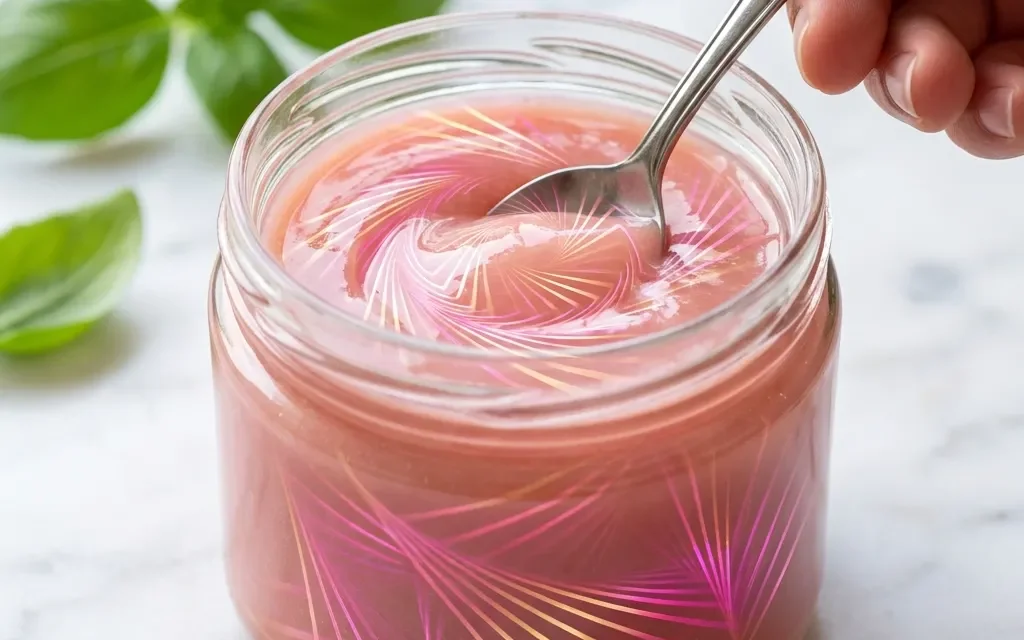
I still remember the first time I tasted Rhubarb Curd. It was at my grandmother’s house, where every spring, her garden would burst with vibrant pink stalks of rhubarb. One sunny afternoon, she invited me into her cozy kitchen, the air thick with the sweet and tangy aroma of baking. She had just finished whipping up a batch of Rhubarb Curd, and my curiosity grew as I watched her ladle the bright, creamy mixture into jars. I was captivated by its color, a beautiful blend of pale pink and sunshine yellow, and I could hardly wait for a taste.
As she offered me a spoonful, I was hit with a delightful balance of tartness and sweetness. It was unlike anything I had ever tasted! We spread it over freshly baked scones and drizzled it over vanilla ice cream. In that moment, I knew this Rhubarb Curd was something special—something I wanted to recreate in my own kitchen someday. Every spring since, I’ve made it a tradition to whip up this curd, not just to honor my grandmother’s recipe but to relive those sunny afternoons filled with laughter and delicious food.
Whether you’re a seasoned cook or a beginner, making Rhubarb Curd is accessible and incredibly rewarding. It’s the kind of recipe that invites experimentation and creativity while delivering a uniquely delightful flavor that’s sure to impress. So, grab your fresh rhubarb and let’s dive into this beautiful culinary adventure together!
Table of Contents
Why This Rhubarb Curd Recipe Will Become Your Go-To
The Secret Behind Perfect Rhubarb Curd
This Rhubarb Curd recipe stands out for its simplicity and the way it captures the essence of spring. Fresh rhubarb provides a beautiful tartness that blends perfectly with sugar to create a sweet-tart sensation. The process of cooking it down with eggs and butter brings out a velvety texture that feels luxurious on the palate. What makes it even better is the hint of vanilla that rounds out the flavors, making every bite a delightful experience.
You’ll love how versatile this curd is, too. It’s not just a spread; it works beautifully as a filling for pastries, a topping for yogurt, or even a delightful addition to cocktails. This recipe is straightforward enough for anyone to master, yet it delivers a taste that feels gourmet. Whether you’re hosting a brunch or simply treating yourself, Rhubarb Curd is bound to become a staple in your kitchen.
Essential Ingredients You’ll Need
To make this Rhubarb Curd, you’ll need the following ingredients:
2 cups chopped fresh rhubarb
Fresh rhubarb is key to achieving that vibrant tart flavor. Look for firm stalks that are bright pink or green; they should be crisp and juicy.
1 cup granulated sugar
The sugar balances out the tartness of the rhubarb, creating a harmonious blend. It also helps to thicken the curd as it cooks.
3 large eggs
Eggs are crucial for giving the curd its creamy texture. They help emulsify the mixture, ensuring a smooth, rich result.
1/2 cup unsalted butter, cubed
Butter adds richness and a velvety mouthfeel to the curd. Using unsalted allows you to control the seasoning more effectively.
1 teaspoon vanilla extract
Vanilla enhances the flavor profile by adding a warm, aromatic note. It complements the tangy rhubarb beautifully.
1/4 teaspoon salt
A touch of salt elevates the flavors, balancing sweetness and tartness for a more rounded taste.
Step-by-Step Rhubarb Curd Instructions
Preparing Your Rhubarb Curd
Making Rhubarb Curd takes just 15 minutes of prep time and 30 minutes of cooking, for a total time of 45 minutes. You’ll need a medium saucepan, a whisk, a fine-mesh strainer, and jars for storage. Let’s get started!
1- Begin by washing and chopping 2 cups of fresh rhubarb into small pieces, about an inch long. You want the rhubarb to be tender and juicy, as this will help release its natural flavors as it cooks. Place the chopped rhubarb in a medium saucepan and add 1 cup of granulated sugar. Allow it to sit for about 10 minutes to draw out the juices, creating a syrupy mixture.
2- Once the rhubarb has softened, place the saucepan over medium heat and cook, stirring occasionally. You’ll notice the rhubarb start to break down, which should take about 10-15 minutes. The mixture will become vibrant and fragrant, and the sugar will dissolve completely. Keep an eye on the heat to avoid burning.
3- After the rhubarb is fully cooked, remove the saucepan from the heat. In a mixing bowl, whisk together 3 large eggs until they’re fully combined. Gradually add the cooked rhubarb mixture to the eggs, whisking continuously to temper the eggs and prevent them from scrambling.
4- Pour the mixture back into the saucepan and return it to low heat. Stir constantly, watching for thickening. In about 10 minutes, the curd should coat the back of a spoon. You’ll notice a change in color and texture as it thickens, becoming luscious and creamy.
5- When the curd has reached the desired consistency, remove it from the heat. Stir in 1/2 cup of cubed unsalted butter, 1 teaspoon of vanilla extract, and 1/4 teaspoon of salt. Mix until the butter is melted and fully incorporated, creating a beautifully smooth consistency.
6- Finally, strain the curd through a fine-mesh strainer into clean jars to remove any chunks of rhubarb and ensure silkiness. Allow it to cool to room temperature before sealing the jars. Your Rhubarb Curd is now ready to serve or store!
Pro Tips for Success
To ensure your Rhubarb Curd turns out perfectly, here are a few expert tips:
- Use fresh rhubarb for the best flavor. Frozen rhubarb can work in a pinch but will alter the texture slightly.
- Don’t rush the cooking process; low and slow is the key to a smooth curd.
- Keep stirring constantly during the thickening phase to prevent the eggs from curdling.
- If your curd separates, give it a good whisk to bring it back together before straining.
- Always taste and adjust the sweetness to your preference. If you find it too tart, add a bit more sugar.
Serving and Storing Your Rhubarb Curd
Perfect Pairings for Rhubarb Curd
This Rhubarb Curd serves about 2 cups, making it a perfect accompaniment for various dishes. Try spreading it on warm scones or toast for breakfast. It pairs beautifully with vanilla ice cream or yogurt for a refreshing dessert. You can also use it as a filling for tarts or pastries—imagine a delicate tart shell filled with this luscious curd!
For beverages, mix a spoonful of Rhubarb Curd into sparkling water or cocktails for a unique twist. It’s especially delightful with gin or vodka, adding a refreshing tartness that’s perfect for warm days. Whether it’s brunch, afternoon tea, or a summer gathering, this curd is sure to impress your guests.
Storage and Make-Ahead Tips
To store your Rhubarb Curd, transfer it to airtight jars and keep it in the refrigerator. It will last up to one week. If you want to make it ahead, you can prepare it a few days in advance and store it, allowing the flavors to meld beautifully over time.
If you want to keep it longer, consider freezing the curd. Pour it into freezer-safe containers, leaving some space for expansion. It can be frozen for up to three months. When you’re ready to use it, simply thaw it in the refrigerator overnight. To reheat, gently warm it in a saucepan over low heat, stirring until it reaches the desired consistency.
Variations and Dietary Adaptations for Rhubarb Curd
Creative Rhubarb Curd Variations
Feel free to get creative with your Rhubarb Curd! Here are a few variations to try:
- Ginger Rhubarb Curd: Add a teaspoon of freshly grated ginger to the rhubarb mixture for a warm, spicy kick.
- Lemon Rhubarb Curd: Mix in the zest and juice of one lemon to enhance the citrusy notes and add brightness.
- Berry Rhubarb Curd: Combine rhubarb with a cup of fresh berries, such as strawberries or raspberries, for a mixed fruit curd that’s bursting with flavor.
- Lavender Rhubarb Curd: Infuse the rhubarb with dried culinary lavender for a floral touch. Just strain it well before adding the eggs.
Making Rhubarb Curd Diet-Friendly
If you have dietary restrictions, here are some substitutions to make this Rhubarb Curd suitable for various diets:
- Vegan: Replace eggs with a mixture of ground flaxseed and water or silken tofu blended until smooth. Use coconut oil or a dairy-free butter alternative instead of unsalted butter.
- Gluten-Free: This recipe is naturally gluten-free, so no swaps are needed!
- Low-Carb: Use a sugar substitute like erythritol or monk fruit sweetener in place of granulated sugar to lower the carbohydrate content.
Frequently Asked Questions
Q: Can I substitute frozen rhubarb for fresh?
A: Yes, you can use frozen rhubarb, but it may result in a slightly different texture. Make sure to thaw it completely and drain excess liquid before using.
Q: How long does it take to make Rhubarb Curd?
A: The total time for making Rhubarb Curd is 45 minutes, with 15 minutes of prep and 30 minutes of cooking.
Q: How do I store leftover Rhubarb Curd?
A: Store your Rhubarb Curd in airtight jars in the refrigerator for up to one week. For longer storage, freeze it for up to three months.
Q: How many servings does this recipe yield?
A: This recipe yields about 2 cups of Rhubarb Curd, making it perfect for sharing or enjoying over several days.
Q: What should I do if my curd is too runny?
A: If your curd turns out runny, return it to low heat and cook it a bit longer while stirring constantly. This should help thicken it to the desired consistency.
Conclusion
I can’t wait for you to try this delightful Rhubarb Curd recipe! It’s such a special treat that brings together memories of spring and the joy of cooking. Whether you share it with loved ones or savor it on your own, the burst of flavor is sure to brighten your day. I’d love to hear your thoughts, so make sure to drop a comment and share your Rhubarb Curd experiences. Happy cooking!